
Internal Linking for SEO: A Complete Guide to Site Link Structure in 2026
Master internal linking strategies that improve crawlability, distribute PageRank, and boost rankings. Learn proven techniques for building a logical site structure that search engines and users love.
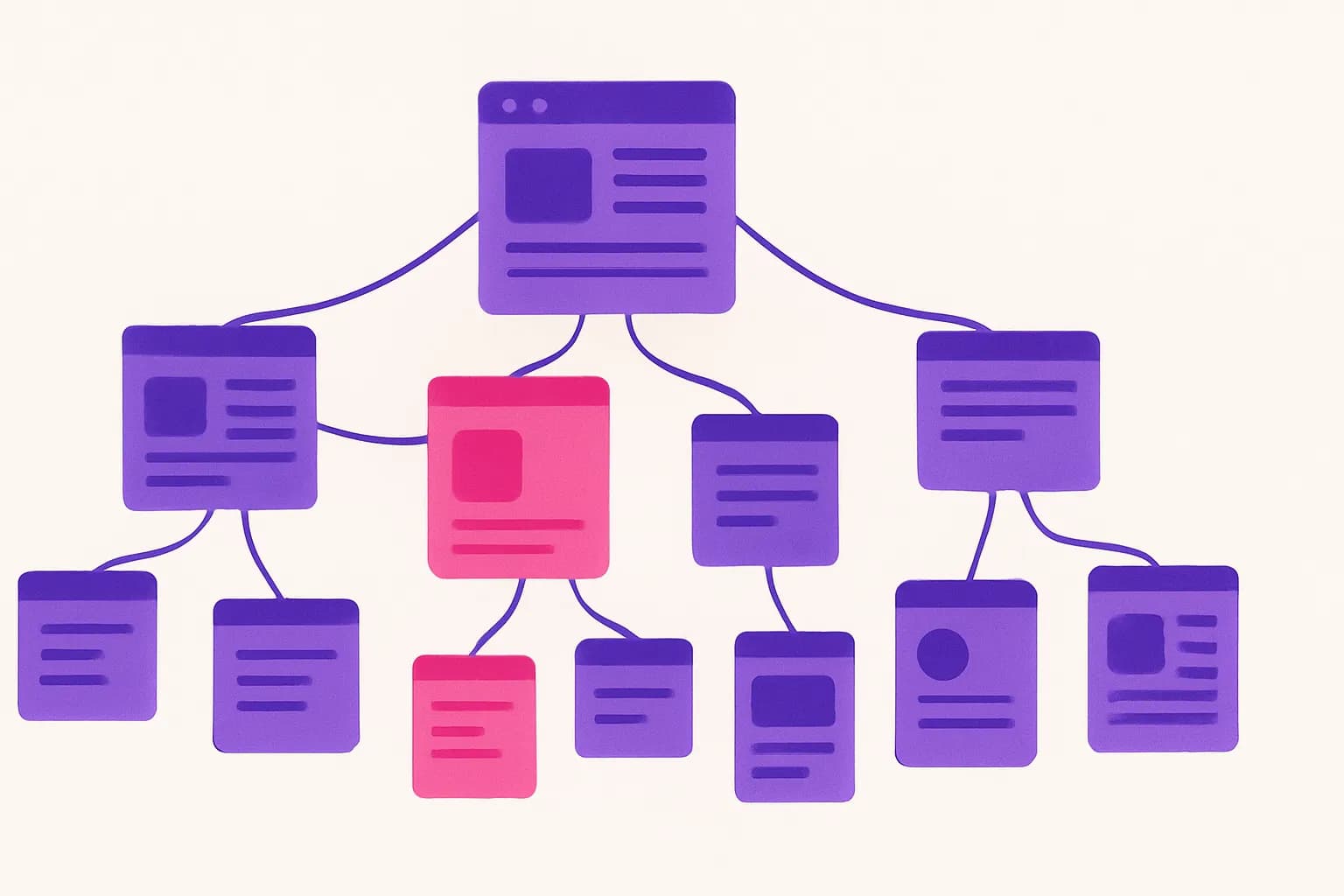
Internal linking is one of the most underutilized yet powerful tools in SEO. While many site owners obsess over backlinks, the way you connect pages within your own domain has a profound impact on how search engines crawl, understand, and rank your content. A well-planned internal linking strategy distributes PageRank efficiently, reinforces topical authority, and guides both users and bots to your most valuable pages. In 2026, as search algorithms grow more sophisticated and user experience metrics carry more weight, your internal link structure isn't just a technical detail—it's a competitive advantage.
This guide walks you through everything you need to build an effective internal linking strategy: from the fundamentals of how search engines use internal links, to practical techniques for implementation, to common mistakes that sabotage even well-intentioned efforts. Whether you're redesigning your site architecture or optimizing existing content, these principles will help you create a link structure that drives organic growth.
Why Internal Linking Matters for SEO
Internal links serve three core functions that directly impact your search performance. First, they help search engine crawlers discover and index your content. When Googlebot lands on your homepage, it follows internal links to find other pages. Pages with no internal links pointing to them—called orphan pages—are nearly invisible to search engines, regardless of their quality.
Second, internal links distribute PageRank (link equity) throughout your site. Every page accumulates authority from external backlinks and internal links pointing to it, then passes a portion of that authority to the pages it links to. Strategic internal linking channels this equity to pages you want to rank, particularly those deeper in your site structure that wouldn't otherwise receive much authority.
Third, internal links establish context and topical relationships. Anchor text and surrounding content tell search engines what a linked page is about and how it relates to other content. This helps algorithms understand your site's information architecture and can strengthen your authority on specific topics. When you consistently link related articles with relevant anchor text, you signal to search engines that you have comprehensive coverage of that subject area.
Internal links are your most controllable SEO asset. Unlike backlinks, which require outreach and relationship-building, you have complete control over your internal link structure and can adjust it anytime to align with your SEO priorities.
Building a Logical Site Architecture
Effective internal linking begins with a logical site architecture. The best structure follows a pyramid model: your homepage at the top, key category or pillar pages one level below, subcategories or supporting content another level down, and individual articles or product pages at the bottom. This hierarchy should be reflected in your URL structure, navigation, and internal links.
Keep your architecture flat rather than deep. Ideally, any page should be reachable within three clicks from your homepage. Deep pages—those requiring five, six, or more clicks—accumulate less PageRank and get crawled less frequently. If you have important content buried five levels deep, restructure your navigation or add contextual links from higher-authority pages to bring it closer to the surface.
Hub-and-Spoke Content Clusters
One of the most effective modern approaches is the hub-and-spoke model, also called topic clusters. Create a comprehensive pillar page covering a broad topic (the hub), then produce detailed articles on specific subtopics (the spokes). Link all spokes back to the hub, and link from the hub to each spoke. This creates a tight cluster of related content that reinforces your authority on that topic and makes it easy for search engines to understand the relationship between pages.
For example, a pillar page on on-page optimization might link to individual articles on title tags, meta descriptions, header tags, and image optimization. Each spoke article links back to the pillar and, where relevant, to other spokes. This interconnected structure passes authority efficiently and creates strong topical signals.
Best Practices for Anchor Text and Placement
Anchor text—the clickable words in a hyperlink—is a critical ranking signal. It tells search engines what the destination page is about and helps them associate that page with specific keywords. Use descriptive, keyword-rich anchor text that accurately represents the linked content, but avoid over-optimization. Exact-match anchor text like "internal linking for SEO" has value, but varying your anchors with partial matches ("internal linking strategies") and natural phrases ("learn more about link structure") creates a more organic profile.
Avoid generic anchors like "click here," "read more," or "this page." They waste an opportunity to pass relevant context. Instead, integrate links naturally into your content with anchors that would make sense to a reader. For instance, "A comprehensive technical SEO audit can identify orphan pages and structural issues" provides clear context about the linked page.
| Anchor Text Type | Example | SEO Value |
|---|---|---|
| Exact Match | "link building strategies" | High, but use sparingly |
| Partial Match | "strategies for building links" | High, more natural |
| Branded | "Glow Mark's guide" | Medium, builds brand |
| Generic | "click here" | Low, provides no context |
| Naked URL | "glowmark.be/services" | Low, looks spammy |
Placement matters as much as anchor text. Links within the main body content carry more weight than those in sidebars, footers, or navigation menus. Crawlers and algorithms recognize that editorial links—those embedded naturally in paragraphs—are more intentional and relevant than boilerplate links repeated across every page. Prioritize contextual links within your content over template-based link schemes.
How Many Links Per Page?
There's no strict limit, but Google's historical recommendation of "a reasonable number" still holds. Pages with hundreds of links dilute the PageRank each link passes and can appear spammy. Aim for 3-10 contextual links within the main content, plus necessary navigation links. Quality and relevance matter far more than quantity—every link should serve a purpose, either helping users find related information or reinforcing your topical structure.
Identifying and Fixing Internal Linking Issues
Even with a solid strategy, internal linking problems creep in over time. Orphan pages—those with no internal links pointing to them—are one of the most common issues. These pages won't be crawled regularly and rarely rank well. Use tools like Screaming Frog, Ahrefs Site Audit, or Google Search Console to identify orphans, then add contextual links from relevant existing content.
Broken internal links damage user experience and waste crawl budget. They occur when you delete or move pages without updating links pointing to them. Regular audits should catch and fix these. Redirect chains—where a link points to URL A, which redirects to URL B, which redirects to URL C—also dilute PageRank and slow crawling. Update links to point directly to the final destination.
Deep pages with weak internal link support struggle to rank. If an important page has only one or two internal links, it won't accumulate much authority. Audit your top-performing pages and identify opportunities to add internal links to underperforming but valuable content. Often, a few well-placed links from high-authority pages can significantly boost rankings for pages that were previously stuck on page two or three.
Over-optimization is another pitfall. Repeatedly linking the same phrase to the same page across dozens of articles looks manipulative. Vary your anchors and link patterns. Similarly, avoid excessive reciprocal linking between two pages—it can appear artificial and doesn't distribute authority efficiently across your broader site.
Integrating Internal Linking Into Your Workflow
The most effective internal linking happens proactively, not as an afterthought. When you publish new content, immediately identify 3-5 existing articles that should link to it. Update those older articles with contextual links, using relevant anchor text. This ensures new pages start accumulating authority right away rather than languishing as orphans.
Regularly audit and update your internal links. As your content library grows, new linking opportunities emerge. An article published six months ago might now have several newer pieces that could link to it. Set a quarterly schedule to review your top 20-30 pages and refresh their internal link profiles, adding links to newer, relevant content and removing outdated or broken links.
Use internal linking to support specific ranking goals. If you're targeting a particular keyword, audit the top 10 pages on your site by authority (using PageRank approximations from tools like Ahrefs or Moz) and add contextual links from those pages to your target page. Even one or two links from high-authority pages can make a measurable difference. This is particularly effective when combined with a solid link building strategy that continually builds external authority to your site's top pages.
For agencies and larger teams, document your internal linking guidelines. Define preferred anchor text patterns, specify how many internal links each content type should include, and create templates for common cluster structures. Consistency across your content library amplifies the cumulative effect of your internal linking efforts and ensures every piece of content contributes to your broader SEO objectives.
Internal linking isn't glamorous, but it's one of the highest-leverage activities in SEO. The link structure you build today compounds over time, improving crawl efficiency, distributing authority more effectively, and creating a more cohesive topical framework. Invest the time to audit, optimize, and maintain your internal links, and you'll see sustained improvements in both rankings and organic traffic.